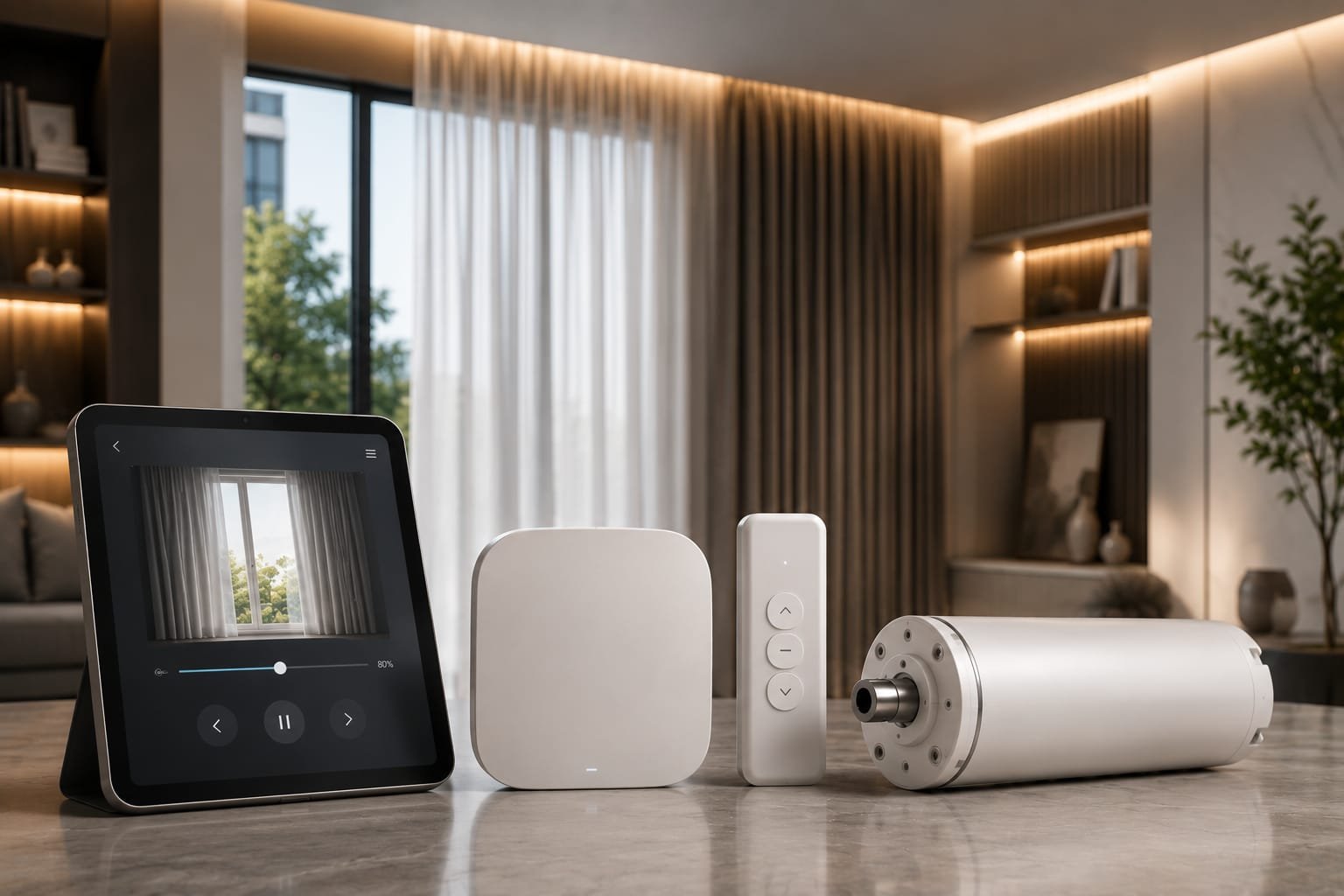
When people plan a smart home, they usually start by thinking about security — cameras, locks, gates. Understandably so. But months after installation, when we follow up with clients, the feature that comes up most often as "the one I use constantly" is almost always curtain and lighting automation.
Why it makes such a difference day to day
Security automation is something you interact with occasionally — arming a system, checking a camera when something feels off. Lighting and curtains, on the other hand, are things you touch dozens of times a day, in every room, every single day of the year. Small friction removed from a frequent action adds up fast.
A few examples from real installations:
- Curtains that open automatically at a set time each morning, so natural light fills the room without anyone getting up first
- Living room lights that switch on automatically at dusk, based on actual sunset time rather than a fixed clock
- A single "Movie Mode" scene that dims the lights and closes the curtains together, at the tap of one button
- Bedroom lights that turn off automatically a few minutes after everyone's phones show they're asleep-adjacent (no movement detected)
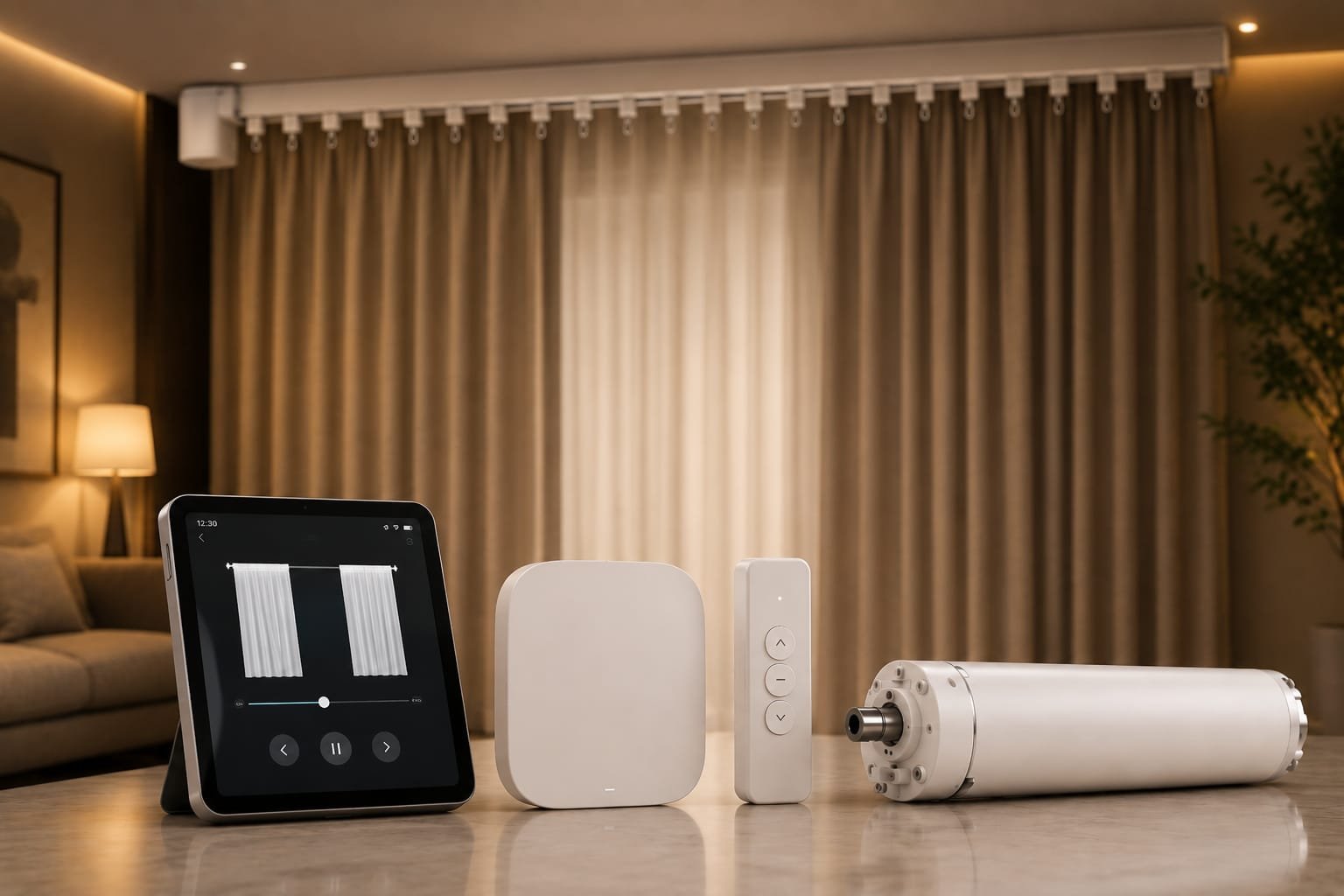
Curtain automation: what to know
Motorised curtain tracks retrofit onto most existing curtain rails — you rarely need to replace curtains you already like. The motor sits discreetly inside or above the track, and control is available via wall switch, remote, app, or voice assistant depending on what you choose.
The main things worth checking before installation:
- Track length and curtain weight — heavier fabrics need a higher-torque motor.
- Power availability near the track — some motors are battery-powered with long life, others need a nearby power point.
- Manual override — a good installation always allows the curtain to be moved by hand if needed, without damaging the motor.
Lighting automation: more than just "smart bulbs"
Lighting automation ranges from simple smart switches that let you control existing lights via app or voice, to fully zoned systems with scene control across an entire home. For most homes, the sweet spot is:
- Smart switches on the circuits used most (living room, bedroom, outdoor)
- Scene control grouping multiple lights (and often curtains) into a single command
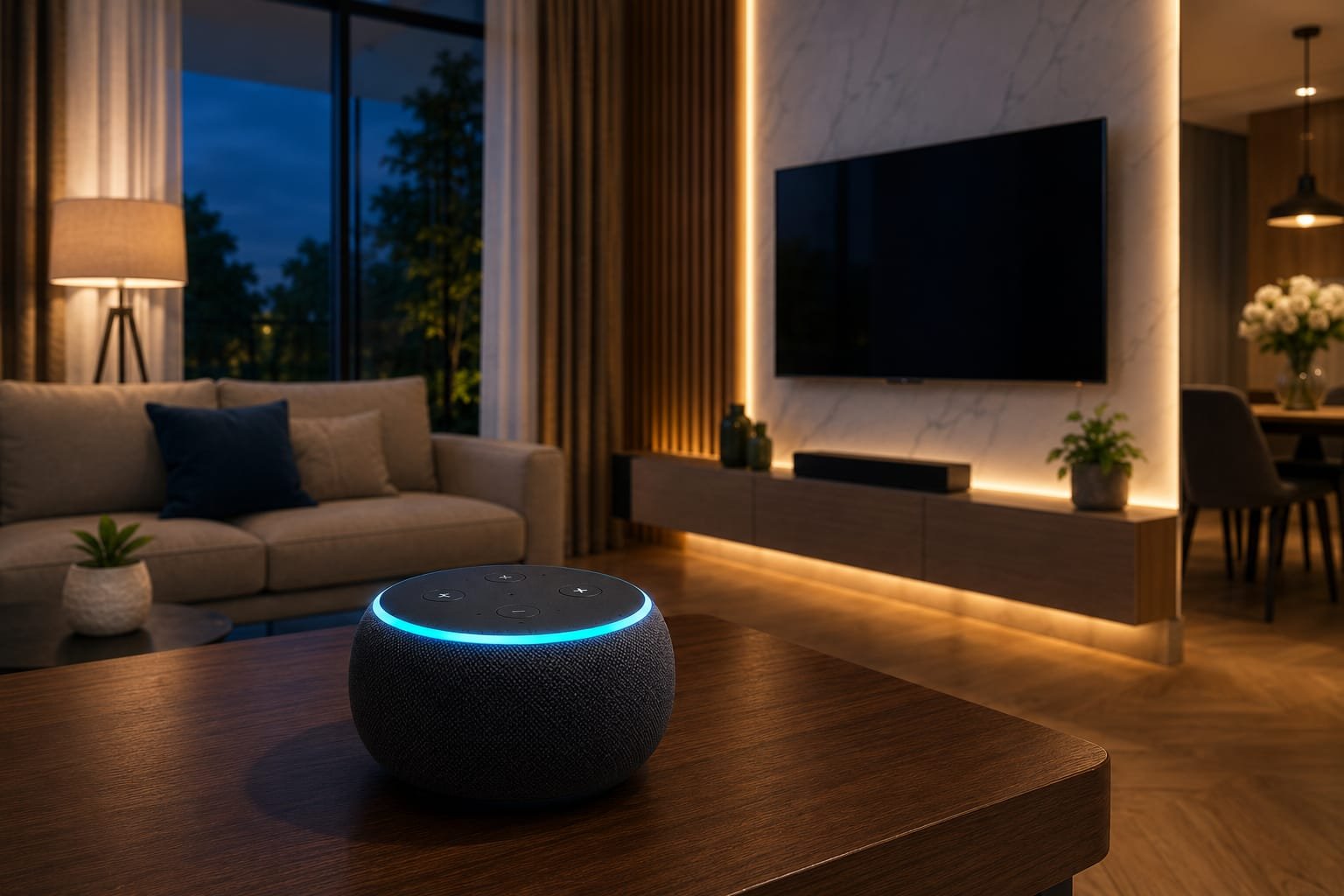
- Voice assistant integration (Alexa or Google) for hands-free control
It pairs naturally with everything else
Lighting and curtain automation isn't a separate system from your gate, CCTV, or lock automation — the same central app and control panel typically manages all of it. That's part of why it's such a natural second step for homeowners who started with security automation: the infrastructure to add it is often already there.
A simple starting point
If you're not ready to automate an entire home, start with the room you spend the most time in — usually the living room. A curtain track and a scene-controlled lighting setup in one room is enough to feel the difference immediately, and it's easy to expand from there.
Want to see what this would look like in your own home? Book a free consultation and we'll walk you through the options room by room.